Eating well is one of the most powerful steps you can take toward a healthier, more energetic life. This healthy living nutrition guide is designed to help you understand the principles of good nutrition, make smarter food choices, and create habits that last a lifetime.
Whether you’re a beginner or someone looking to improve your eating patterns, this guide will provide practical advice in a simple, approachable way.
Why Nutrition Matters for Healthy Living
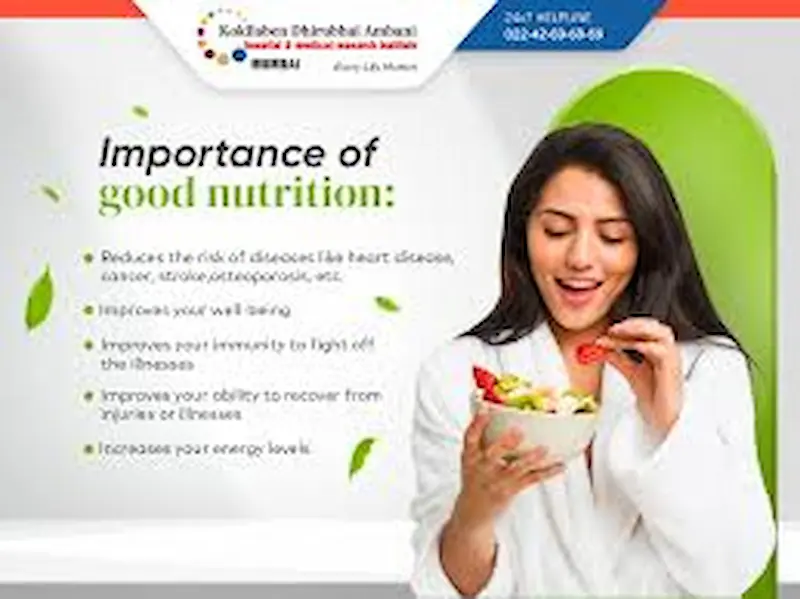
Nutrition is the cornerstone of health. The foods we eat directly affect energy levels, mood, immunity, and even how our body ages. Poor nutrition can lead to fatigue, chronic diseases, and reduced quality of life, while a balanced diet supports optimal physical and mental well-being.
Think of your body as a machine: the better the fuel, the better it runs. That’s why following a healthy living nutrition guide is not just about looking good—it’s about feeling your best every day.
Core Components of Healthy Nutrition
Understanding the essential nutrients your body needs helps you make smarter food choices. Nutrition is made up of macronutrients and micronutrients:
1. Macronutrients
These are nutrients needed in larger amounts:
- Proteins
Proteins are the building blocks of your body. They help repair tissues, produce enzymes and hormones, and maintain muscle mass. Sources include:
- Lean meats (chicken, turkey, fish)
- Eggs and dairy products
- Beans, lentils, chickpeas, tofu, and tempeh
- Nuts and seeds
- Lean meats (chicken, turkey, fish)
- Carbohydrates
Carbs are your body’s main energy source. Focus on complex carbohydrates that provide lasting energy instead of quick-sugar spikes:
- Whole grains like brown rice, oats, quinoa, barley, and whole wheat bread
- Starchy vegetables such as sweet potatoes and squash
- Fruits in their whole form
- Whole grains like brown rice, oats, quinoa, barley, and whole wheat bread
- Fats
Healthy fats are essential for brain health, hormone production, and nutrient absorption. Prioritize unsaturated fats and omega-3 fatty acids:
- Avocados, nuts, and seeds
- Olive oil, flaxseed oil, and fatty fish (salmon, mackerel, sardines)
- Avocados, nuts, and seeds
2. Micronutrients
Vitamins and minerals are required in smaller amounts but are vital for optimal function:
- Vitamin A – supports vision and immunity (carrots, sweet potatoes)
- Vitamin C – boosts immunity and aids iron absorption (citrus fruits, bell peppers)
- Vitamin D – supports bone health and immunity (sunlight, fortified dairy, fatty fish)
- Calcium – essential for strong bones and teeth (dairy, leafy greens, almonds)
- Iron – supports red blood cell production (red meat, lentils, spinach)
- Magnesium – helps with muscle function and energy metabolism (nuts, seeds, whole grains)
Eating a variety of foods ensures you get a wide range of micronutrients.
You may also like it:
Healthy Living For Beginners: Easy Steps To Get Started
Healthy Living and Fitness Tips For a Stronger Lifestyle
Healthy Living Lifestyle Ideas – Guide To Better Health
Building a Balanced Plate
One of the simplest ways to eat healthy is to visualize your plate. A balanced plate ensures you’re getting the right proportions of nutrients:
- Half your plate: Fruits and vegetables. The more colorful, the better!
- Quarter of your plate: Lean proteins like chicken, fish, eggs, or legumes.
- Quarter of your plate: Whole grains such as brown rice, quinoa, or whole wheat pasta.
- Small portion: Healthy fats like avocado, olive oil, or nuts.
This plate model is easy to follow and can be adjusted for different meals or dietary preferences.
Hydration: The Often Overlooked Key
Water is essential for digestion, circulation, temperature regulation, and nutrient transport. Aim to drink at least 8 glasses (2 liters) daily. You can also include hydrating foods like:
- Watermelon, cucumber, and oranges
- Herbal teas
- Broths and soups
Avoid excessive sugary drinks, which can add unnecessary calories and contribute to health issues.
Smart Eating Habits
Nutrition isn’t just about what you eat—it’s also about how you eat. Adopting mindful eating habits enhances digestion, satisfaction, and overall health:
- Eat slowly: Your brain takes about 20 minutes to register fullness. Eating slowly prevents overeating.
- Listen to your body: Eat when hungry, stop when satisfied. Avoid eating out of boredom or stress.
- Plan meals: Meal prep saves time and reduces reliance on fast food or processed snacks.
- Regular meals: Eating breakfast, lunch, and dinner at consistent times helps stabilize energy and blood sugar levels.
Foods to Embrace and Limit
Focus on nutrient-rich foods while limiting items that can negatively affect health:
Foods to Include:
- Leafy greens (spinach, kale, swiss chard)
- Bright fruits (berries, oranges, apples, kiwi)
- Whole grains (oats, quinoa, brown rice, whole wheat bread)
- Lean proteins (chicken, turkey, fish, eggs, legumes)
- Healthy fats (avocado, olive oil, nuts, fatty fish)
Foods to Limit:
- Processed and packaged foods
- Sugary snacks, sodas, and baked goods
- Excessive salt and saturated fats
- Fried foods and fast foods
Lifestyle Tips to Complement Nutrition
Healthy living isn’t just about food. Pair your nutrition with these lifestyle habits:
- Exercise regularly – At least 150 minutes of moderate aerobic activity per week plus strength training.
- Prioritize sleep – 7–9 hours per night improves metabolism, mental health, and immune function.
- Manage stress – Mindfulness, yoga, meditation, or breathing exercises reduce stress hormones that can affect appetite and digestion.
- Limit alcohol and tobacco – These can negatively impact nutrient absorption and overall health.
Quick Tips for Busy Schedules
Even with a busy lifestyle, you can maintain healthy nutrition:
- Keep healthy snacks like nuts, fruits, or yogurt handy.
- Batch cook meals to avoid last-minute unhealthy choices.
- Replace sugary drinks with water or herbal tea.
- Choose whole foods over processed ones whenever possible.
Practical Meal Ideas
- Breakfast: Oatmeal topped with berries, chia seeds, and a drizzle of honey.
- Lunch: Grilled chicken salad with leafy greens, quinoa, avocado, and olive oil dressing.
- Snack: Apple slices with almond butter or a handful of mixed nuts.
- Dinner: Baked salmon with roasted vegetables and a side of brown rice.
- Hydration tip: Start your day with a glass of water with lemon.
Conclusion
Following this healthy living nutrition guide is all about balance, variety, and sustainability. Nutrition doesn’t have to be complicated—focus on wholesome foods, hydration, and mindful eating habits. Pairing good nutrition with regular exercise, sufficient sleep, and stress management creates a foundation for long-term health and energy. Start small, stay consistent, and make food your ally for a healthier, happier life.
FAQs: Healthy Living Nutrition Guide
Q1: Can I still eat treats while following a healthy nutrition plan?
Yes! Moderation is key. Treats can be part of your diet as long as the majority of your meals are nutrient-rich.
Q2: How can I ensure I get enough nutrients on a vegetarian or vegan diet?
Focus on variety. Include legumes, tofu, tempeh, whole grains, nuts, seeds, fruits, and vegetables. Consider fortified foods or supplements if needed.
Q3: How important is meal timing?
Meal timing is secondary to nutrient quality. Eat when hungry and maintain regular meals to avoid extreme hunger or energy dips.
Q4: Can hydration help with weight management?
Yes, drinking water before meals can help reduce overeating, and staying hydrated supports metabolism.
Q5: How do I start changing my diet without feeling overwhelmed?
Start with one meal at a time. Add more vegetables, swap refined carbs for whole grains, and gradually reduce processed foods.