Living a healthy life is more than just exercising or eating right—it’s about creating habits that nourish your body, mind, and spirit. By following practical healthy living and fitness tips, you can boost your energy, improve your overall well-being, and reduce the risk of chronic diseases.
Whether you’re starting your wellness journey or looking for ways to enhance your lifestyle, this guide will walk you through everything you need to know in a simple, user-friendly way.
1. Start Your Day with a Healthy Morning Routine

Your day begins with your morning routine, and starting well can impact the rest of your day. Small morning rituals can make a big difference:
- Hydrate Immediately: After 6–8 hours of sleep, your body is dehydrated. Drinking a glass of water first thing in the morning boosts metabolism, helps flush toxins, and wakes you up naturally.
- Eat a Nutritious Breakfast: Skipping breakfast can lower energy levels and increase cravings later in the day. Include protein (eggs, Greek yogurt, or legumes), fiber (oats, whole grains), and healthy fats (nuts, avocado).
- Move Your Body: Even 10–15 minutes of light stretching, yoga, or a short walk helps improve circulation, reduces stiffness, and energizes you.
- Set Your Intentions: Take a moment to plan your day or practice mindfulness. A positive mindset sets the tone for productivity and better choices.
2. Stay Active Throughout the Day
Fitness is not limited to the gym; it’s about keeping your body moving consistently. Physical activity strengthens your muscles, supports heart health, and improves mental clarity. Here are practical ways to stay active:
- Daily Walks: Aim for 7,000–10,000 steps per day. Walking is gentle, low-impact, and excellent for cardiovascular health.
- Strength Training: Incorporate exercises like push-ups, squats, lunges, and resistance bands. Muscle building boosts metabolism and supports joint health.
- Cardio Workouts: Include activities like cycling, swimming, or jogging to enhance endurance and burn calories.
- Active Breaks: If you work at a desk, stand, stretch, or walk for 5 minutes every hour. Small movements throughout the day make a big difference.
Remember: consistency matters more than intensity. Even light but regular activity keeps your body and mind healthy.
3. Eat Balanced, Nutrient-Rich Meals
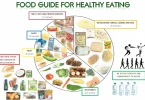
Nutrition is the foundation of healthy living. Eating balanced meals fuels your body and reduces the risk of diseases. Here’s how to build a healthy plate:
- Proteins: Essential for muscle repair and growth. Include eggs, lean meats, fish, tofu, lentils, and beans.
- Whole Grains: Provide sustained energy and fiber for digestive health. Examples include brown rice, oats, quinoa, and whole-grain bread.
- Fruits and Vegetables: Rich in vitamins, minerals, and antioxidants, they protect your body from disease and support immunity. Aim for a colorful variety daily.
- Healthy Fats: Include sources like olive oil, avocados, nuts, and seeds. Healthy fats support brain function, hormone balance, and heart health.
- Limit Processed Foods: Reduce sugary drinks, fast food, and refined carbohydrates that can cause weight gain and energy crashes.
Tip: Prepare meals in advance to avoid unhealthy last-minute choices, and always read nutrition labels to make informed decisions.
You may also like it:
Healthy Living For Beginners: Easy Steps To Get Started
Healthy Living Lifestyle Ideas – Guide To Better Health
4. Hydrate Your Body Properly
Water is essential for nearly every body function, from digestion to joint lubrication and temperature regulation. Here’s how to stay hydrated:
- Drink 6–8 glasses of water daily. Increase intake if you exercise or live in hot climates.
- Include water-rich foods like cucumbers, watermelon, and oranges.
- Limit sugary beverages and sodas, as they add calories without nutritional value.
- Make hydration a habit: carry a reusable bottle and sip consistently.
Proper hydration improves skin health, enhances energy, supports weight management, and helps with detoxification.
5. Prioritize Mental Health
Healthy living isn’t just about the body—it’s about the mind too. Stress, anxiety, and poor mental habits can affect your physical health. Incorporate mental wellness strategies:
- Meditation & Mindfulness: Spending 10–15 minutes daily practicing mindfulness can reduce stress and improve focus.
- Gratitude Journaling: Writing down things you’re grateful for boosts positivity and mental resilience.
- Hobbies & Relaxation: Take time for activities you enjoy to recharge your mind.
- Social Connection: Spend quality time with friends and family—strong relationships improve emotional health.
Balancing mental health alongside physical fitness creates a holistic approach to wellness.
6. Sleep Well to Recover and Recharge
Quality sleep is often underestimated but is crucial for healthy living. Sleep allows your body to repair tissues, balance hormones, and consolidate memory.
- Aim for 7–9 hours of sleep each night.
- Maintain a consistent sleep schedule, even on weekends.
- Create a sleep-friendly environment: dark, cool, and quiet.
- Avoid caffeine or heavy meals before bedtime, and limit screen exposure to improve melatonin production.
Better sleep enhances focus, mood, and recovery from exercise.
7. Set Realistic Goals and Track Progress
Setting clear, achievable goals keeps you motivated. Start small, then gradually increase intensity:
- Short-term goals: “I will walk 5,000 steps daily” or “I will drink 8 glasses of water.”
- Medium-term goals: “I will exercise 3 times a week for 30 minutes” or “I will eat vegetables in every meal.”
- Long-term goals: “I want to improve my endurance” or “I want to maintain a healthy weight.”
Track progress using apps, journals, or simple checklists. Celebrate milestones to stay motivated and committed.
8. Practice Consistency Over Perfection
Healthy living isn’t about being perfect—it’s about forming sustainable habits. Focus on progress, not perfection:
- Incorporate small, daily changes rather than drastic overhauls.
- Allow yourself occasional treats—moderation is key.
- Build routines that feel enjoyable, not forced.
- Over time, healthy choices will become natural and automatic.
Consistency ensures long-term results, making wellness a lifestyle rather than a short-term goal.
Final Thoughts
Following healthy living and fitness tips doesn’t have to feel overwhelming. By focusing on hydration, balanced nutrition, daily activity, mental wellness, and quality sleep, you can improve your health steadily and sustainably. Start with small changes, track your progress, and celebrate every success along the way. Remember, true wellness is a combination of physical, mental, and emotional balance—commit to it, and you’ll notice a happier, healthier version of yourself.
FAQs About Healthy Living and Fitness Tips
1. What is the most important tip for healthy living?
The most important tip is consistency. Eating nutritious meals, staying active, and getting enough sleep regularly will have a greater impact on your health than short-term, extreme changes. Small daily habits compound over time to create lasting results.
2. How much exercise should I do daily?
For general health, aim for at least 30 minutes of moderate activity most days of the week. This can include brisk walking, cycling, swimming, or a home workout. Strength training 2–3 times a week is also beneficial for muscle health and metabolism.
3. Can I stay healthy without going to the gym?
Absolutely! Healthy living isn’t about the gym—it’s about movement. Walking, climbing stairs, home workouts, yoga, or even active chores count. The key is to stay consistent and move your body regularly.
4. How important is nutrition compared to exercise?
Both are equally important. Exercise strengthens your body, improves heart health, and burns calories, while nutrition provides the fuel and nutrients your body needs to function properly. A balanced approach works best.
5. How much water should I drink every day?
A general guideline is 6–8 glasses (1.5–2 liters) daily, but it depends on your activity level, climate, and health conditions. Increase intake if you exercise or live in a hot climate.