Maintaining mental wellness is essential at every stage of life, especially for adults who often face high levels of stress from work, family, and social responsibilities. A mental wellness guide for adults provides tools, strategies, and daily habits that support emotional resilience, reduce stress, and improve overall quality of life.
In this guide, we’ll explore practical steps, lifestyle adjustments, and professional resources that make mental wellness achievable, even in a busy adult life.
What Is Mental Wellness?

Mental wellness goes beyond the absence of mental illness. It encompasses a positive state of mind where you can:
- Handle stress effectively
- Form and maintain healthy relationships
- Work productively and creatively
- Realize your potential
- Cope with life challenges
It’s about thriving, not just surviving. Mental wellness is like maintaining a garden: you need consistent care, attention, and the right environment for it to flourish.
Why Adults Need Mental Wellness
Adults face unique challenges that can affect mental health:
- Career pressures and job uncertainty
- Financial responsibilities and debts
- Family obligations and caregiving
- Social isolation or lack of supportive networks
Ignoring mental wellness can lead to burnout, anxiety, depression, and reduced productivity. Prioritizing mental health improves your energy, emotional stability, and overall satisfaction in life.
Core Pillars of Mental Wellness
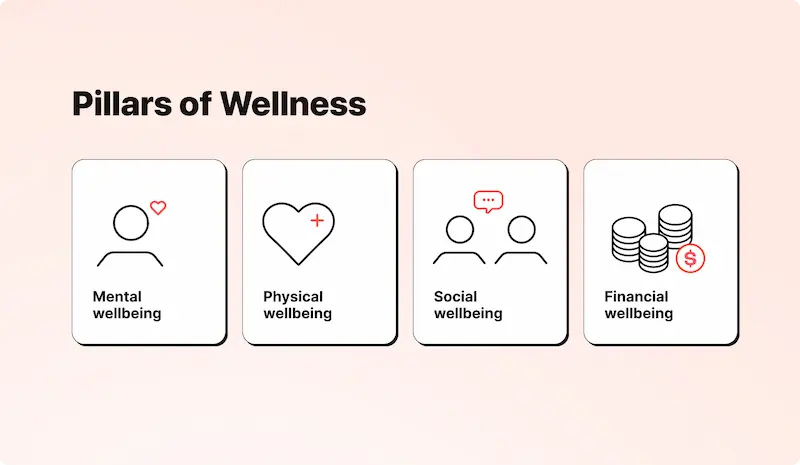
A holistic approach to mental wellness for adults includes emotional, physical, social, and professional components.
1. Emotional Wellbeing
Understanding your emotions is the foundation of mental wellness. Emotional wellbeing involves:
- Recognizing feelings like stress, sadness, or anger without judgment
- Expressing emotions in healthy ways, e.g., journaling, art, or conversation
- Practicing emotional regulation to avoid impulsive reactions
Daily tip: Spend 5–10 minutes each day reflecting on your emotions. Ask yourself: “How do I feel today? Why?” Awareness alone reduces emotional overwhelm.
2. Physical Wellness
The mind and body are interconnected. A healthy body supports a healthy mind:
- Exercise: Activities like walking, swimming, yoga, or strength training boost endorphins and improve mood. Aim for at least 150 minutes of moderate exercise weekly.
- Nutrition: A balanced diet rich in fruits, vegetables, lean proteins, and omega-3 fatty acids supports brain function. Avoid excessive sugar and processed foods.
- Sleep: Poor sleep affects memory, focus, and mood. Adults should aim for 7–9 hours of quality sleep each night. Establish a bedtime routine, avoid caffeine late in the day, and create a relaxing sleep environment.
3. Social Connection
Human beings thrive on connection. Strong social ties:
- Reduce feelings of loneliness
- Improve resilience during challenging times
- Provide emotional support
How to stay connected:
- Schedule regular calls or meetups with friends and family
- Join clubs, support groups, or community organizations
- Engage in meaningful conversations and active listening
Even small gestures like a text message or a coffee with a friend can improve mental health significantly.
4. Mindfulness and Stress Management
Mindfulness helps adults stay present and reduces overthinking, anxiety, and stress:
- Meditation: Even 10 minutes a day can calm the nervous system and increase self-awareness.
- Breathing exercises: Techniques like box breathing or deep diaphragmatic breathing reduce stress hormones.
- Mindful activities: Yoga, tai chi, or simply walking in nature can help ground your mind.
Practical tip: During stressful moments, pause and take three deep breaths. Notice your body’s tension and consciously release it.
5. Work-Life Balance
Adults often face pressure to excel in careers while managing personal lives. Maintaining boundaries is key:
- Set realistic goals at work
- Avoid overcommitting to projects or social obligations
- Allocate time for hobbies, family, and rest
- Use digital detox periods to limit work-related stress from devices
Remember, consistently overworking increases stress and reduces overall productivity.
6. Professional Support
Seeking help is a sign of strength. Mental wellness doesn’t mean doing everything alone:
- Therapists and counselors: Provide guidance for anxiety, depression, trauma, or relationship issues.
- Support groups: Offer shared experiences and strategies for coping with stress.
- Medical professionals: Sometimes, mental health issues require medication or specialized treatment.
Professional support ensures you’re not navigating challenges alone and helps you develop long-term coping strategies.
You may also like to read this:
Natural Healing For Immunity: Best Natural Health Guide
Natural Healing With Essential Oils: Benefits & Uses
Natural Healing At Home: Simple Remedies & Tips
Wellness Guides For Beginners – Easy Steps To Health
Daily Wellness Guide Tips: Simple Steps For Healthy Living
Daily Habits to Strengthen Mental Wellness
Consistency is key in mental health. Incorporate these small habits:
- Morning routine: Start with gratitude or positive affirmations.
- Physical movement: Include 20–30 minutes of exercise daily.
- Hydration and nutrition: Eat balanced meals and drink enough water.
- Digital breaks: Limit social media and screen time.
- Journaling: Reflect on thoughts, emotions, and achievements.
- Evening relaxation: Unwind with meditation, reading, or a warm bath.
These habits create structure, reduce stress, and enhance emotional resilience.
Practical Exercises for Mental Wellness
Here are some exercises adults can do daily:
- Gratitude journaling: Write down three things you are thankful for each day.
- Mood tracking: NAote emotional highs and lows to identify triggers.
- Positive visualization: Imagine achieving a goal or handling a challenge successfully.
- Random acts of kindness: Helping others boosts your mood and self-worth.
FAQs: Mental Wellness Guide For Adults
Q1: How long does it take to see improvements in mental wellness?
A1: Small changes can improve mood within days, but consistent practice over weeks to months is needed for lasting results.
Q2: Can adults with busy schedules still practice mental wellness?
A2: Absolutely! Even short, intentional activities like 5 minutes of meditation or a quick walk help maintain wellness.
Q3: Is mindfulness enough to manage stress?
A3: Mindfulness is powerful but works best combined with sleep, exercise, healthy nutrition, and social support.
Q4: How do I know if I need professional help?
A4: If stress, sadness, or anxiety affects your work, relationships, or daily life for weeks, professional guidance is recommended.
Conclusion
A mental wellness guide for adults is more than just tips—it’s a roadmap to living a balanced, fulfilling life. By incorporating mindfulness, exercise, proper sleep, social connection, and professional support, you can navigate life’s challenges with resilience and optimism. Remember, mental wellness is an ongoing journey. Start small, stay consistent, and celebrate each step toward a healthier, happier mind.