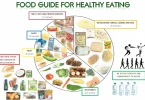
Starting a healthier lifestyle can feel intimidating if you don’t know where to begin. But don’t worry—healthy living for beginners is all about making small, consistent changes that improve your physical, mental, and emotional well-being. You don’t need to overhaul your life overnight. Even simple, manageable steps can make a big difference in how you feel and how your body functions.
This guide will walk you through the key areas of healthy living, practical tips, and strategies that anyone can implement right away.
What Does Healthy Living Really Mean?

Many people think healthy living is just about eating salads or running every day, but it’s much more than that. True healthy living involves balancing several aspects of your life:
- Nutrition – giving your body the right fuel.
- Exercise – keeping your body active and strong.
- Sleep – letting your body repair and recharge.
- Mental and emotional wellness – reducing stress and supporting mental health.
- Avoiding harmful habits – like smoking, excessive alcohol, or overeating processed foods.
Healthy living is about building habits that improve longevity, energy, mood, and overall quality of life—not about temporary diets or extreme routines.
You may also like it:
Healthy Living and Fitness Tips For a Stronger Lifestyle
Healthy Living Lifestyle Ideas – Guide To Better Health
Step 1: Nutrition Basics for Beginners
Nutrition is the foundation of healthy living. Here’s how beginners can start improving their diet:
Eat More Whole Foods
- Fruits and vegetables: Aim for at least 5 servings daily. They are packed with vitamins, minerals, and antioxidants.
- Whole grains: Replace white bread and pasta with brown rice, oats, quinoa, or whole wheat alternatives.
- Lean proteins: Include fish, chicken, eggs, legumes, and tofu for energy and muscle health.
Hydrate Properly
- Drink at least 8 glasses of water daily.
- Limit sugary drinks and sodas—they provide calories but no real nutrition.
Balance, Don’t Restrict
- Avoid extreme diets. Instead, focus on balance. For example, combine proteins, healthy fats, and complex carbs in each meal.
- Use portion control instead of skipping meals.
Beginner-Friendly Tip
Start small by adding one fruit or vegetable to each meal. Over time, your plate will naturally become more colorful and nutritious.
Step 2: Exercise for Beginners
Exercise improves energy, strengthens muscles, and boosts your mood. For beginners, it’s important to start gradually and enjoy the process.
Types of Exercise
- Cardio: Walking, jogging, cycling, or swimming. Aim for 150 minutes of moderate cardio weekly.
- Strength Training: Bodyweight exercises like squats, push-ups, or light dumbbell workouts 2–3 times per week.
- Flexibility & Balance: Yoga, Pilates, or stretching routines help prevent injuries and improve posture.
Tips to Make Exercise Sustainable
- Pick activities you enjoy—this increases consistency.
- Start with short sessions (10–20 minutes) and gradually increase duration.
- Mix different types of exercise to keep it interesting.
Beginner-Friendly Tip
Even a 10-minute walk after meals can improve digestion, energy, and heart health.
Step 3: Prioritize Quality Sleep
Sleep is critical for recovery, memory, and overall health. Beginners can take these steps:
- Stick to a schedule: Go to bed and wake up at the same time daily.
- Create a bedtime routine: Dim lights, avoid screens, read a book, or do light stretches.
- Optimize your environment: Keep your bedroom cool, dark, and quiet.
Beginner-Friendly Tip
Try to reduce caffeine after 2 PM and limit screen exposure 30–60 minutes before bed.
Step 4: Mental and Emotional Wellness
A healthy body alone isn’t enough—your mind needs care too. Mental well-being is essential for long-term healthy living.
Simple Stress Management Techniques
- Mindfulness & Meditation: Even 5 minutes daily can improve focus and reduce anxiety.
- Journaling: Writing down thoughts and gratitude lists can help manage emotions.
- Hobbies: Engaging in creative or fun activities relieves stress.
- Social Support: Spend quality time with friends or family. Connection is vital.
Beginner-Friendly Tip
Start by practicing deep breathing for 3–5 minutes daily. It’s simple but highly effective.
Step 5: Avoid Harmful Habits
Healthy living also means reducing or eliminating habits that can harm your body over time:
- Quit smoking – even occasional use affects your heart and lungs.
- Limit alcohol – moderate consumption only.
- Reduce processed foods – fast foods, chips, sugary snacks.
- Break sedentary habits – take breaks from sitting every hour.
Beginner-Friendly Tip
Replace one unhealthy habit at a time with a healthy one—for example, swap soda with sparkling water.
Step 6: Staying Motivated and Consistent
Consistency is more important than perfection. Here’s how beginners can maintain motivation:
- Set realistic goals: Focus on small, achievable targets. For example, 10,000 steps per day or 3 healthy meals daily.
- Track progress: Use a journal or app to monitor meals, activity, and sleep.
- Celebrate milestones: Reward yourself with something non-food-related, like a massage or new workout gear.
- Find support: Join online groups, fitness classes, or ask friends to join you.
Beginner-Friendly Tip
Focus on habits, not results. Feeling more energetic, sleeping better, or enjoying meals is already a win!
FAQs: Healthy Living For Beginners
Q: How do I start if I’ve never exercised before?
A: Begin with low-impact activities like walking, gentle stretching, or short home workouts. Gradually increase intensity.
Q: Can I eat my favorite foods while living healthy?
A: Yes! Balance and moderation are key. You don’t need to give up foods you love—just enjoy them in smaller portions.
Q: How long before I see results?
A: You may notice increased energy, better mood, and improved sleep within a few weeks. Physical changes may take longer, usually 1–3 months.
Q: Do I need supplements?
A: Most beginners can get nutrients from a balanced diet. Supplements are only needed if a doctor recommends them.
Final Thoughts
Starting healthy living for beginners is about taking small, intentional steps toward a better life. Focus on creating sustainable habits in nutrition, exercise, sleep, and mental well-being. Be patient and kind to yourself—change takes time. Over time, these habits will lead to increased energy, improved mood, and a healthier, happier you.
Remember, it’s not about being perfect; it’s about progress. Every small step counts toward a lifetime of wellness.