When you hear the word “therapy,” you might immediately think of pills, doctor visits, or counseling. But health is more than just treating symptoms—it’s about nurturing the mind, body, and soul together. This is where holistic therapy techniques come in. Unlike conventional medicine that often targets a single problem, holistic therapies take a broader view, aiming to restore balance, improve overall wellness, and empower you to take control of your health.
Whether you’re feeling stressed, experiencing chronic pain, or simply looking to enhance your overall well-being, holistic therapy techniques offer natural, effective, and long-lasting solutions.
In this guide, we’ll explore the most effective holistic practices, their benefits, and how you can incorporate them into your life.
What Are Holistic Therapy Techniques?
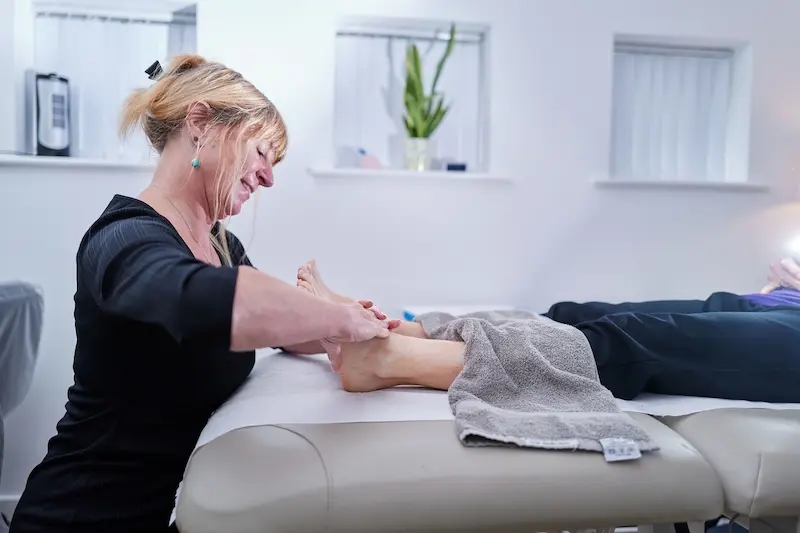
Holistic therapy techniques are methods that treat the whole person, rather than just addressing isolated symptoms. This approach is grounded in the idea that physical, emotional, mental, and spiritual health are deeply interconnected. When one area of your life is out of balance, it can affect the others. Holistic therapies aim to restore harmony and promote long-term wellness, rather than temporary relief.
Some key principles include:
- Treating the entire individual, not just the condition
- Encouraging the body’s natural healing abilities
- Supporting preventive care and a healthier lifestyle
- Promoting personal responsibility for overall well-being
Holistic therapy isn’t just about alternative treatments—it’s about integrating practices that foster balance, vitality, and mindfulness in everyday life.
Popular Holistic Therapy Techniques
Let’s take a closer look at some of the most widely practiced holistic therapies and how they work:
1. Acupuncture
Acupuncture is an ancient Chinese technique that involves inserting thin needles into specific points on the body, known as meridians. These points help regulate the flow of energy (Qi) in the body.
Benefits:
- Reduces chronic pain (back pain, migraines, arthritis)
- Improves sleep quality
- Reduces stress and anxiety
- Enhances overall energy and vitality
Tip: Always visit a licensed acupuncture practitioner to ensure safe and effective treatment.
You may also like it:
Holistic Therapy For Beginners: Complete Wellness Guide
Holistic Therapy For Mental Health: Natural Wellness Tips
Holistic Therapy Methods At Home For Natural Healing Guide
2. Aromatherapy
Aromatherapy uses essential oils derived from plants to improve physical and emotional health. Scents like lavender, peppermint, and eucalyptus can impact your mood and promote relaxation.
Benefits:
- Reduces stress and anxiety
- Boosts mood and emotional balance
- Supports better sleep
- Can relieve minor aches and improve digestion
Tip: Use a diffuser, apply diluted oils topically, or add a few drops to your bath for a calming experience.
3. Meditation and Mindfulness
Meditation is more than sitting quietly—it’s a practice that trains your mind to focus, calm your thoughts, and connect with the present moment. Mindfulness involves being fully aware of your actions and surroundings without judgment.
Benefits:
- Reduces stress and lowers cortisol levels
- Improves focus and mental clarity
- Supports emotional regulation
- Can lower blood pressure and improve heart health
Tip: Start small—just 5–10 minutes a day—and gradually increase your practice as you feel comfortable.
4. Yoga and Tai Chi
These are movement-based practices that combine stretching, breathwork, and meditation. Yoga often emphasizes flexibility and strength, while Tai Chi focuses on gentle, flowing movements.
Benefits:
- Increases flexibility and balance
- Reduces muscle tension and chronic pain
- Promotes mental clarity and relaxation
- Enhances mind-body awareness
Tip: Choose beginner classes or online sessions to learn proper techniques and avoid injuries.
5. Reiki
Reiki is an energy healing method in which a practitioner channels energy into the patient to remove blockages and promote natural healing.
Benefits:
- Reduces stress and anxiety
- Promotes emotional balance
- Supports physical healing and recovery
- Enhances overall well-being
Tip: Reiki is safe for all ages, including children and the elderly.
6. Herbal Therapy
Herbal therapy uses plant-based remedies to support health naturally. Herbs have been used for thousands of years for their medicinal properties.
Popular Herbs and Benefits:
- Chamomile: Calms the nervous system, improves sleep
- Ginseng: Boosts energy and mental performance
- Turmeric: Reduces inflammation and supports joint health
- Ashwagandha: Lowers stress and balances hormones
Tip: Consult a qualified herbalist or healthcare provider before starting herbal treatments, especially if you are taking other medications.
7. Chiropractic and Massage Therapy
Chiropractic care focuses on spinal alignment, while massage therapy involves manipulating muscles and tissues to improve circulation and reduce tension. Both have holistic benefits that extend beyond physical relief.
Benefits:
- Relieves chronic pain and tension
- Improves circulation and mobility
- Reduces stress and promotes relaxation
- Enhances overall emotional well-being
Tip: Ensure your practitioner is licensed and experienced to prevent injury.
Integrating Holistic Therapy Into Daily Life

You don’t have to completely overhaul your routine to benefit from holistic therapy techniques. Here are some practical ways to start:
- Identify Your Needs: Consider whether stress relief, pain management, or emotional balance is your priority.
- Start Small: Begin with one practice, such as meditation, aromatherapy, or yoga, and build from there.
- Create a Routine: Incorporate short sessions daily for meditation, stretching, or self-massage.
- Consult Professionals: For therapies like acupuncture, Reiki, or herbal treatments, work with certified practitioners.
- Monitor Progress: Keep a journal to track how your mind, body, and spirit respond to each therapy.
Benefits of Holistic Therapy Techniques
Holistic therapy techniques can significantly improve your life, including:
- Stress Relief: Calm your nervous system and reduce mental strain.
- Pain Management: Naturally alleviate chronic pain and muscle tension.
- Mental Clarity: Enhance focus and reduce brain fog.
- Emotional Balance: Improve mood and regulate emotions.
- Preventive Care: Encourage lifestyle changes that prevent illness.
- Overall Wellness: Promote harmony between body, mind, and spirit.
FAQs About Holistic Therapy Techniques
Q1. Are holistic therapies safe for everyone?
Most holistic therapies are safe when administered by trained professionals. Always consult your healthcare provider if you have serious medical conditions.
Q2. Can holistic therapy replace conventional medicine?
Holistic therapy works best as a complementary approach. It can enhance conventional treatments and support overall well-being.
Q3. How long before I see results?
Some benefits, like relaxation from massage or aromatherapy, are immediate. Others, like improved energy or emotional balance, may take weeks of consistent practice.
Q4. Do I need to try multiple therapies?
Not necessarily. Focus on one or two techniques that resonate with you and gradually explore others.
Q5. Can I practice holistic therapy at home?
Absolutely! Practices like meditation, yoga, aromatherapy, and journaling can all be done at home with minimal equipment.
Conclusion
Taking care of your health isn’t just about treating symptoms—it’s about nurturing the whole self. Holistic therapy techniques offer a powerful way to balance your mind, body, and spirit naturally. Whether it’s through meditation, yoga, Reiki, or herbal therapy, these practices encourage long-term wellness and a more harmonious lifestyle.
By integrating holistic practices into your life, you’ll experience not only improved physical health but also mental clarity, emotional resilience, and a deeper sense of overall well-being.
Remember, the journey to wellness is personal—start small, be consistent, and embrace the power of holistic healing.