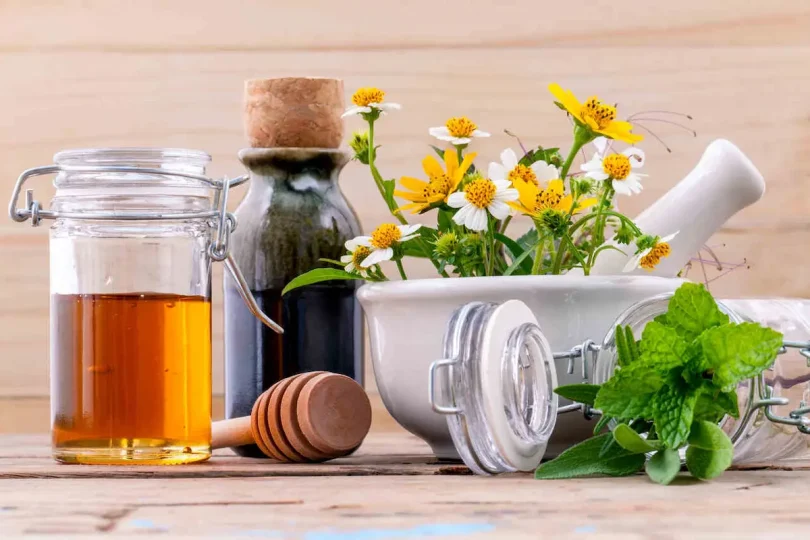

When it comes to taking care of your health, nature often provides some of the most powerful solutions. Herbal natural healing remedies have been used for thousands of years across civilizations—from Ayurveda in India to Traditional Chinese Medicine (TCM)—to promote health, prevent illness, and heal the body naturally. Unlike synthetic medications, which often target only symptoms, herbal remedies work to support the body’s natural healing processes.
Whether you’re looking to ease digestive issues, boost immunity, relieve stress, or improve skin health, herbal remedies offer a gentle, effective, and holistic approach to wellness. In this guide, we’ll explore popular herbs, their benefits, how to use them safely, and practical tips to incorporate them into daily life.
Why Choose Herbal Natural Healing Remedies?
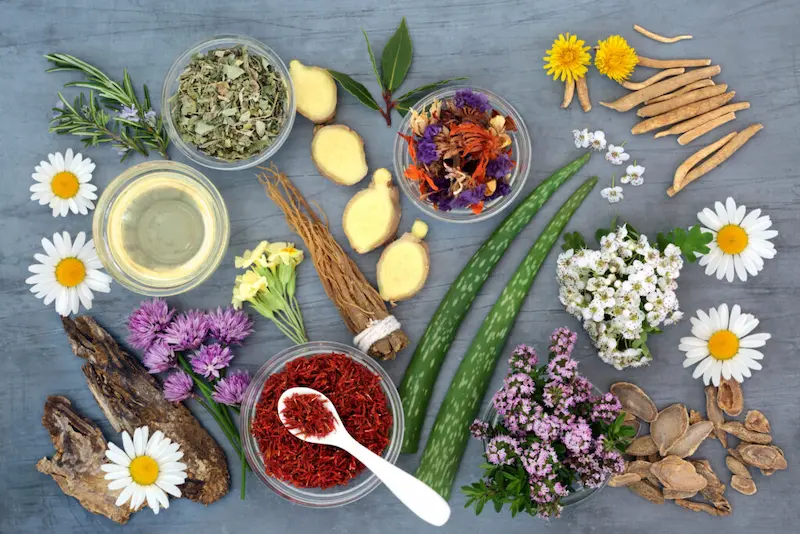
Herbal remedies offer a unique advantage over conventional medicine because they harness bioactive compounds naturally found in plants. These compounds include antioxidants, anti-inflammatory agents, essential oils, and minerals that support overall health.
Some of the key reasons people turn to herbal natural healing remedies include:
- Natural Healing – Plants provide nutrients and compounds that help the body heal itself.
- Fewer Side Effects – When used correctly, herbs are usually gentler on the body.
- Preventive Care – Many herbs can strengthen immunity and prevent illness before it starts.
- Versatility – Herbs can be used in teas, capsules, tinctures, powders, oils, or applied topically.
Herbs not only treat symptoms but also enhance your overall wellness, helping you feel energized, balanced, and resilient.
History of Herbal Healing Remedies
Herbal remedies have been part of human culture for millennia. For instance:
- Ayurveda in India uses herbs like turmeric, ashwagandha, and tulsi for holistic health.
- Traditional Chinese Medicine (TCM) relies on herbs like ginseng, ginger, and licorice root for balance and energy.
- Indigenous cultures worldwide have also used local plants to treat wounds, fever, and stress.
Modern science now validates many of these traditional uses, showing that plants contain compounds with measurable health benefits.
Popular Herbal Natural Healing Remedies and Their Benefits
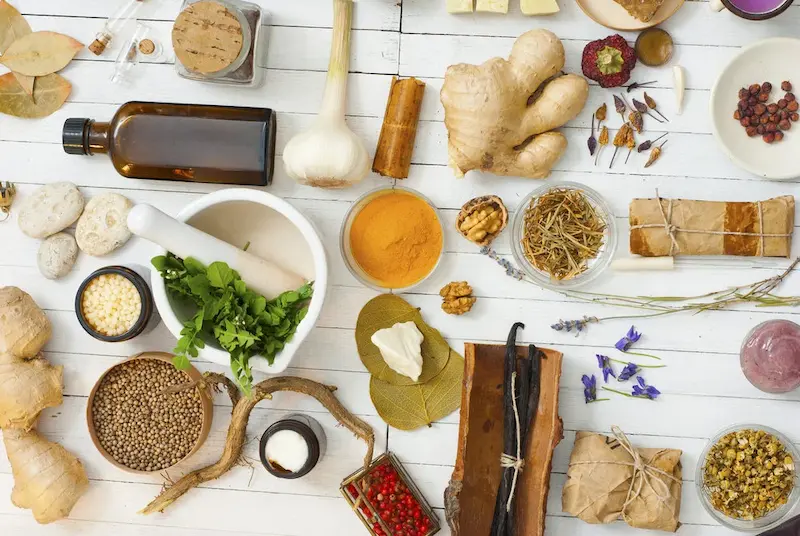
Here’s a detailed look at some of the most widely used herbs and how they can support your health:
1. Turmeric (Curcuma longa)
Turmeric is known for its powerful anti-inflammatory and antioxidant properties.
Benefits:
- Reduces inflammation and joint pain
- Supports liver detoxification
- Enhances immune response
- Improves digestion
How to Use:
- Add ½–1 teaspoon of turmeric powder to milk or water to make “golden milk”
- Mix into curries, soups, or smoothies
- Take standardized turmeric supplements if recommended by a doctor
2. Ginger (Zingiber officinale)
Ginger is a natural remedy for digestion, nausea, and inflammation.
Benefits:
- Relieves motion sickness and morning sickness
- Reduces bloating and indigestion
- Supports circulation and reduces inflammation
How to Use:
- Brew fresh ginger slices in hot water for tea
- Add ginger powder to smoothies or meals
- Use ginger essential oil for topical relief of muscle pain
3. Peppermint (Mentha piperita)
Peppermint has a cooling effect and helps with digestion and headaches.
Benefits:
- Eases gas and bloating
- Reduces headaches and migraine pain
- Clears respiratory congestion
How to Use:
- Brew fresh or dried leaves into tea
- Use peppermint oil topically (diluted) for headache relief
- Add to salads or desserts for flavor and health benefits
4. Chamomile (Matricaria chamomilla)
Chamomile is a gentle herb with calming and anti-inflammatory properties.
Benefits:
- Promotes restful sleep and relaxation
- Reduces stress and anxiety
- Soothes skin irritations when applied topically
How to Use:
- Drink chamomile tea before bed
- Use chamomile-infused oil for massages or skin care
- Add chamomile flowers to baths for a relaxing soak
5. Echinacea (Echinacea purpurea)
Echinacea is widely used to boost the immune system, especially during cold and flu season.
Benefits:
- Shortens the duration of colds
- Supports respiratory health
- Strengthens immunity
How to Use:
- Take echinacea tea, tincture, or capsule at the first sign of illness
- Combine with honey for soothing cold relief
6. Aloe Vera (Aloe barbadensis)
Aloe Vera is a versatile plant with both internal and external healing benefits.
Benefits:
- Heals burns and cuts
- Soothes skin irritations
- Supports digestion
- Hydrates and improves skin health
How to Use:
- Apply fresh aloe gel directly to the skin for burns or wounds
- Drink aloe juice in moderation for digestive support
- Use in skincare products for hydration and healing
7. Holy Basil (Tulsi)
Tulsi, also called holy basil, is revered in Ayurveda for its adaptogenic properties.
Benefits:
- Reduces stress and anxiety
- Supports respiratory health
- Boosts immunity
- Balances blood sugar levels
How to Use:
- Brew fresh or dried tulsi leaves into tea
- Add to soups or smoothies
- Use tulsi essential oil for aromatherapy
How to Safely Use Herbal Natural Healing Remedies
While herbal remedies are natural, safety is important:
- Start Slowly – Introduce one herb at a time to monitor effects.
- Check Interactions – Some herbs can interact with medications. Consult a doctor if needed.
- Use Proper Dosage – Overconsumption may cause side effects.
- Choose Quality – Use fresh herbs or reputable supplements.
- Consider Your Health Conditions – Pregnant or nursing women should always check before using herbal remedies.
You may also like to read this:
Holistic Therapy Techniques Guide: Mind, Body, Soul Healing
Holistic Therapy For Anxiety: Natural Stress Relief
Holistic Therapy For Pain Relief: Natural Healing
Holistic Therapy Methods At Home For Natural Healing Guide
Holistic Therapy For Mental Health: Natural Wellness Tips
Incorporating Herbal Remedies Into Daily Life
Adding herbal remedies to your routine can be simple and enjoyable:
- Morning: Start the day with herbal teas like ginger, tulsi, or peppermint.
- Meals: Include turmeric, garlic, and ginger in your cooking.
- Evening: Drink chamomile or lavender tea to relax before bed.
- Skincare: Use aloe vera or chamomile for natural skin care.
- Aromatherapy: Diffuse essential oils of peppermint, lavender, or eucalyptus to improve mood and focus.
The Future of Herbal Natural Healing Remedies
Interest in holistic health and wellness is growing worldwide. Modern research continues to validate the benefits of herbal remedies while discovering new applications. Integrating herbal remedies with a healthy lifestyle—balanced diet, exercise, hydration, and mindfulness—can enhance their effectiveness.
Conclusion
Herbal natural healing remedies offer a holistic, safe, and time-tested way to support your health. By choosing herbs like turmeric, ginger, chamomile, peppermint, and aloe vera, you can naturally boost immunity, reduce inflammation, calm your mind, and support overall wellness. Start with one or two herbs, experiment with teas and topical applications, and let nature help you on your path to better health.
With consistent use and mindful practice, herbal remedies can become a daily companion for your well-being, helping you feel healthier, calmer, and more energized naturally.
FAQs About Herbal Natural Healing Remedies
1. What are herbal natural healing remedies?
Answer: Herbal natural healing remedies are treatments made from plants, herbs, and natural botanicals that help prevent illness, treat symptoms, and support overall health. They often contain active compounds like antioxidants, anti-inflammatory agents, and essential oils that promote natural healing.
2. Are herbal remedies safe to use?
Answer: Generally, herbal remedies are safe when used correctly. However, it’s important to follow recommended dosages, consult a healthcare professional if you’re pregnant, nursing, or on medications, and ensure the quality of the herbs you use. Overuse or poor-quality herbs may cause side effects.
3. Can herbal remedies replace conventional medicine?
Answer: Herbal remedies can support overall health and sometimes ease minor ailments, but they are not a replacement for medical treatment in serious or chronic conditions. They work best when combined with a healthy lifestyle and professional medical care when needed.
4. How should I consume herbal remedies?
Answer: Herbal remedies can be consumed in many forms:
Teas and infusions (e.g., chamomile, peppermint, tulsi)
Tinctures and extracts
Capsules or powders
Topical applications (e.g., aloe vera gel, herbal oils)
Cooking (e.g., turmeric, ginger, garlic)
5. How do I know which herb is right for me?
Answer: The right herb depends on your health goals:
For digestion: ginger, peppermint
For inflammation or joint pain: turmeric, ginger
For stress and sleep: chamomile, tulsi
For immune support: echinacea, garlic, turmeric
It’s best to start with one herb and observe its effects on your body.